Why families look at the Netherlands
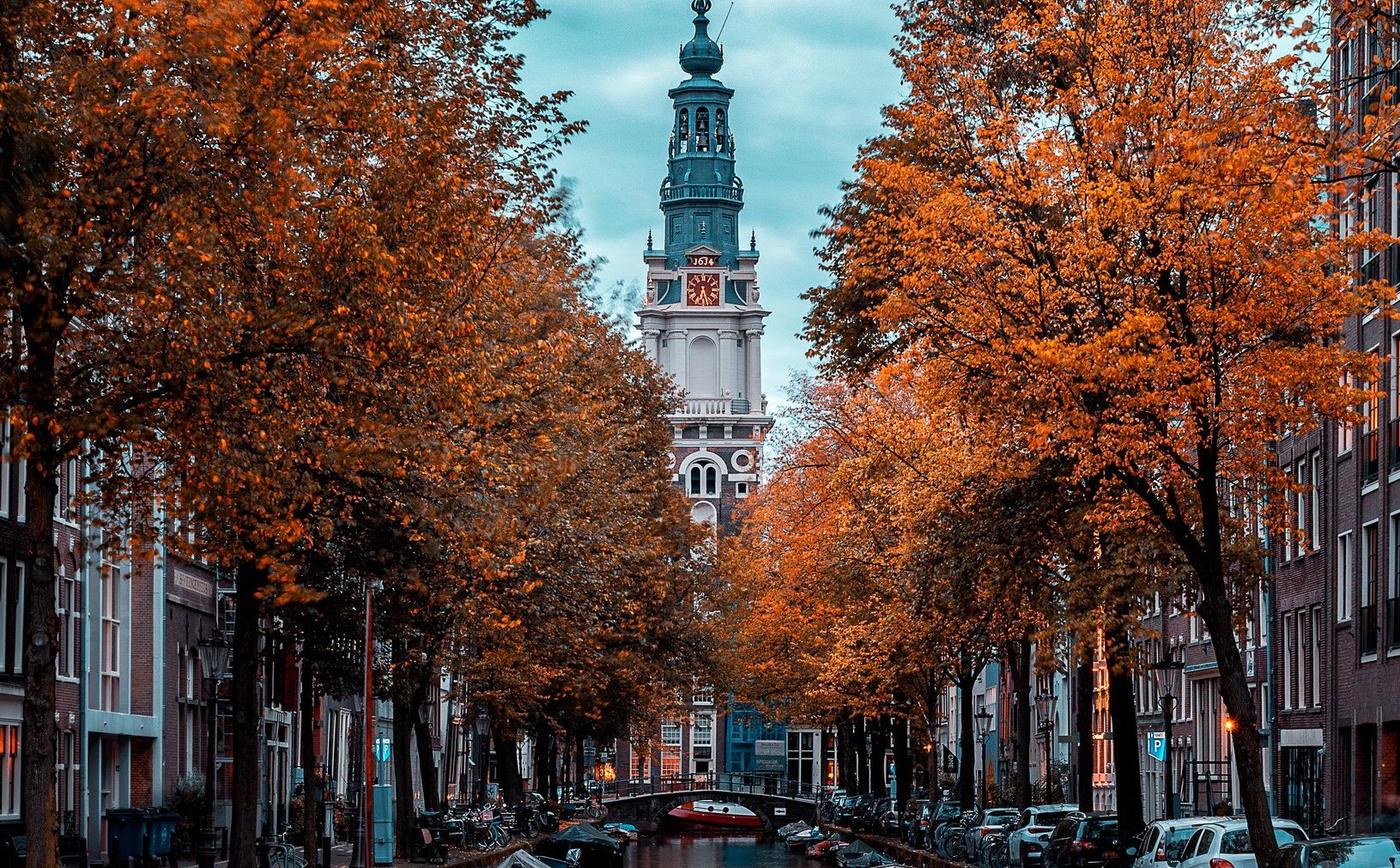
Dutch universities teach many bachelor's and master's programmes in English, and the country has two kinds of institutions: research universities and universities of applied sciences, which are more practical and career-focused. Cities are compact, cycling is the normal way to get around, and Amsterdam, Rotterdam and Utrecht are short train rides apart.
What changes for 2027: fewer international places
In 2026, Dutch universities agreed with the education minister to limit the number of international bachelor's students. The University of Amsterdam, for example, plans a 20% reduction in international enrolment compared with its peak year, 2022 to 2023, and from 2027 to 2028 it is adding new caps on the English-taught tracks of Political Science, Business Administration and Psychology. Popular programmes will be harder to get into, so apply early and keep a strong second choice.
How to apply and when
- Applications go through Studielink, the national system, which opens on 1 October, and then through the university's own portal.
- Programmes with a limited number of places (numerus fixus) close on 15 January at 23:59 Central European Time, and most run a selection process after that.
- Other programmes set their own deadlines. For non-EU students these are often around 1 April, as at Erasmus University Rotterdam.
- Leave time for the visa: the university starts the residence permit only after the student is admitted and has shown the required funds.
What tuition costs in 2027
EU students pay the statutory fee, €2,694 for 2026 to 2027. Students from the UAE and Saudi Arabia pay the higher institutional fee, which each university sets per programme. At the University of Amsterdam, the 2027 to 2028 fees for non-EU bachelor's students include:
- Economics and Business: €15,730 a year
- Humanities and Law: €17,600 a year
- Social and Behavioural Sciences: €16,670 a year
- Science: €21,900 a year
- Medicine and Dentistry: €34,500 a year
Proof of funds and the residence permit
The university applies to the Immigration and Naturalisation Service (IND) for the student's residence permit, and for the entry visa where the student's nationality needs one. The student must show enough money for living costs for one year. For 2026 the IND's study amount is €1,130.77 a month, so €13,569.24 for twelve months. The amount is updated every year. Students can show it through their own bank account, a deposit paid to the university, a scholarship or a sponsor's statement.
Working while studying
Non-EU students can work, but the employer must get a work permit, which is free. The student then chooses one option: up to 16 hours a week during the year, or full-time in June, July and August. It is not possible to do both. A Dutch citizen service number (BSN) and Dutch health insurance are needed for any job.
After graduating: the orientation year
Graduates of Dutch universities can apply for an orientation year, a residence permit to look for work as a highly skilled migrant. They can apply straight away or within three years of graduating, and they are free to work during that year.
Housing
Student rooms in the big cities are in high demand. Start the search as soon as the admission is confirmed, ask the university what housing it offers to international students, and never pay a deposit for a room you have not seen or verified.
Will a Dutch degree count at home?
Dutch universities are accredited at home, which the UAE ministry requires. Still check each programme: degrees designed only for international students are not recognised in the UAE, and Emirati students must meet the field ranking rule. Read how degree recognition works, see our Europe route, or book a Pathway Plan.
Frequently asked questions
Can I study in the Netherlands in English?
Yes. Many bachelor's and master's programmes are taught in English, but from 2027 to 2028 some popular English-taught tracks have new limits on places, so apply early.
How much does it cost to study in the Netherlands?
Non-EU students pay an institutional fee set by each university. At the University of Amsterdam, 2027 to 2028 bachelor's fees range from €15,730 to €34,500 a year. Students must also show €13,569.24 for a year of living costs, based on the 2026 IND amount.
When is the deadline for Dutch universities?
15 January for programmes with limited places. Other programmes set their own dates, often around 1 April for non-EU students. Studielink opens on 1 October.
Can international students work in the Netherlands?
Yes, with a work permit the employer applies for: up to 16 hours a week during the year, or full-time in June, July and August, but not both.
Start with a Pathway Plan
In 90 minutes we check recognition, build your shortlist and set every deadline in writing.
- University of Amsterdam: 2026 agreements on international students
- University of Amsterdam: tuition fees
- IND: required amounts for the income requirement (2026)
- IND: income requirements for study
- University of Groningen: working next to your studies
- Government of the Netherlands: orientation year for highly educated persons
- Erasmus University Rotterdam: bachelor's application deadlines
- Gulf News: UAE policy on recognition of foreign university degrees (updated 10 March 2025)